 Try Onsa
TL;DR: I spent a weekend digging through 36 raw interviews (with a deeper dive into the transcripts) (with a deeper dive into the transcripts) to see how sales reps actually use AI when the boss isn’t looking—and the results were messier than I expected. It turns out they’re using it for everything from emotional regulation to crushing their peers, often in total secret.
When Anthropic released their Interviewer dataset—1,250 conversations about how people actually use AI at work—I spent a weekend extracting every sales-related transcript I could find.
I wasn’t just curious. I was trying to understand something specific: what do salespeople actually do with AI tools when no one’s watching?
Not what the marketing materials say. Not what they tell their managers. What they actually do.
Thirty-six interviews later, I had answers. Some confirmed what we suspected building Onsa. Some made us rethink features we were about to ship.
The strongest signal wasn’t about efficiency. It was about keeping up.
One rep said something that stuck with me:
“My colleagues have a pretty strong influence on how I use AI—I turn to it more when I need to compete with them. If my sales numbers for the month are lower than theirs, I reach out to AI for help.”
Another credited AI for becoming the top performer on their team. Not because of better product knowledge or more hours worked—just faster iteration on messaging and more efficient research.
The data on competitive pressure matches what we see with Onsa customers. The teams that adopt fastest aren’t the ones with the most progressive leadership. They’re the ones where one person got ahead, and everyone else noticed.
Competition is the real adoption driver. We’d been pitching productivity. Maybe we should have been pitching advantage.

The reality of "shadow AI" usage was uncomfortable to read.
Many salespeople hide their AI usage from managers and colleagues.
“I don’t really tell people that I use AI; I’m sure it would be perceived negatively. But what am I supposed to do when the tools we have are so inadequate?”
There’s a weird dynamic here. People use AI secretly, get better results, but can’t share what’s working. The knowledge stays siloed. The team doesn’t learn.
Meanwhile, their colleagues can spot AI-generated content immediately. Several interviewees mentioned they can “instantly tell” when a colleague’s email was written by ChatGPT.
The implication hit me: if you’re building AI tools for sales, you have to account for the fact that some users want their usage hidden. Not because they’re doing something wrong—because the culture hasn’t caught up.
We added some features based on this. I won’t say which ones.
The "emotional buffer" use case surprised me most.
Salespeople use AI to handle difficult customers—not just for efficiency, but for emotional regulation.
“ChatGPT doesn’t have an ego that can be hurt, no biases—so when I had a tough case, ChatGPT gave me a neutral response, and I could offer that to the client without putting my emotions into it.”
The AI becomes a third party in tense conversations. The rep can attribute the response to “what our system suggests” rather than their personal opinion.
I’ve thought about this a lot since reading it. Is AI helping prevent burnout? Are we building coping mechanisms into our tools without realizing it?
I don’t have answers. But we’re paying more attention to the emotional dynamics of our product now.
The most effective AI users in these interviews had something in common: healthy skepticism.
| Feature | Top Performers (The Skeptics) | Struggling Users (The Believers) |
|---|---|---|
| Output Handling | Use AI for first drafts; heavy manual editing. | Copy-paste directly from the prompt. |
| Fact-Checking | Verify every stat, claim, and name. | Assume the AI is a source of truth. |
| Voice | Human voice added last to ensure authenticity. | Rely on the "AI voice" for the final send. |
| Mental Model | Treat AI as a fallible junior intern. | Treat AI as a magic "done" button. |
They don’t trust the output blindly. They verify. Patterns I saw from top performers:
The salespeople who struggled with AI were often the ones who expected it to work perfectly out of the box.
Seeing these specific user patterns validated something we’d been debating internally. We’d considered removing some of our review steps to make the workflow faster. After reading these interviews, we kept them.
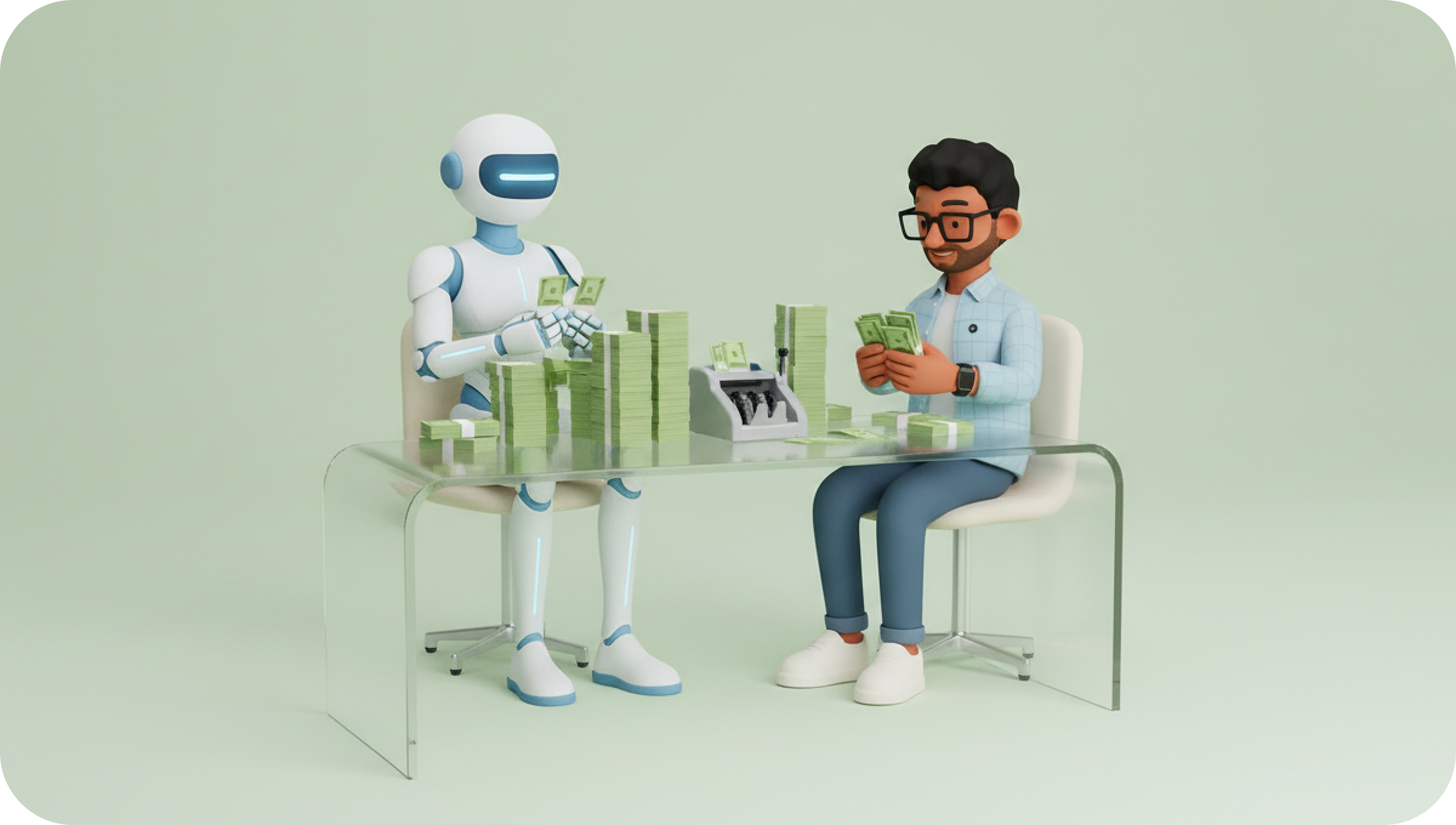
Regardless of industry or company size, sales professionals measure AI value identically:
| Use Case | Frequency of Mention | Primary Value Add |
|---|---|---|
| Prospect Research | 45% | Contextualizing outreach |
| Email Drafting | 38% | Reducing "blank page" friction |
| Objection Handling | 22% | Neutralizing high-stress pushback |
| Competitive Intel | 18% | Real-time battlecard creation |
| Presentations | 15% | Visualizing data for stakeholders |
Time saved → Deals closed
Not “interesting conversations” or “cool capabilities.” Pure pragmatics.
The most common use cases mentioned:
- Research on prospects (45% of mentions)
- Email drafting and iteration (38%)
- Objection handling prep (22%)
- Competitive intelligence (18%)
- Presentation creation (15%)
Note: percentages exceed 100% because people mentioned multiple use cases.
This reinforced our focus. We’d been tempted to add “nice to have” features. These interviews reminded us: if it doesn’t connect to deals closed, it doesn’t matter.
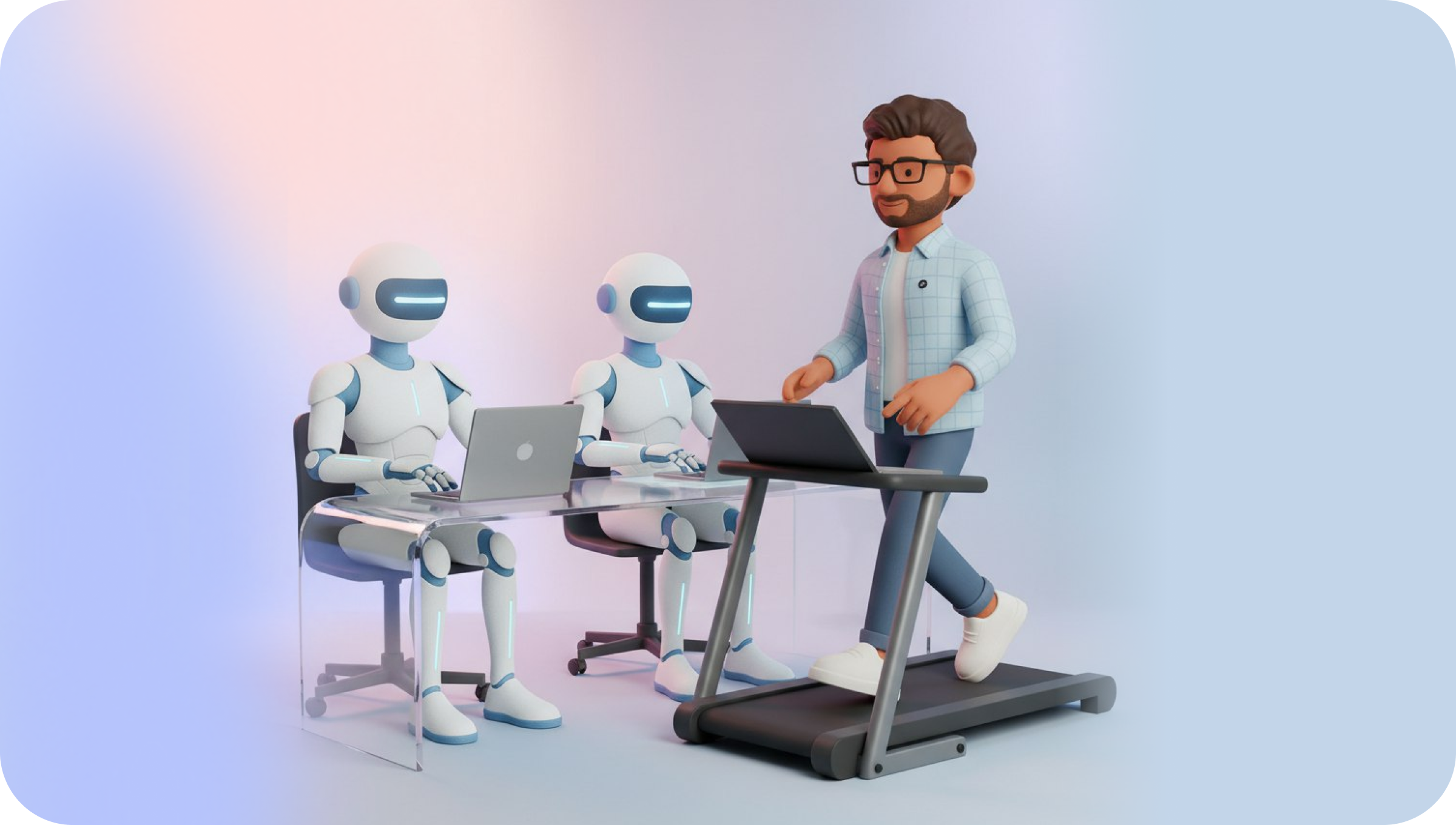
I’m not going to pretend we revolutionized the product after reading 36 interviews. But a few things shifted:
Messaging: We stopped leading with productivity and started talking about competitive advantage. The adoption stories in these interviews weren’t about saving time—they were about winning.
Privacy features: Some users want their AI usage invisible. We made that easier.
Review workflows: We almost simplified them out of existence. We didn’t.
Emotional design: This is still fuzzy, but we’re thinking about the stress dynamics of sales differently now.
Reading through these transcripts painted a messier picture of AI adoption than the marketing materials suggest.
People use AI when they’re falling behind. They hide it from colleagues. They use it as much for emotional regulation as for efficiency.
But the ones who do it well—who verify output, who treat AI like a capable but fallible junior colleague—are getting real results.
The question isn’t whether your sales team will use AI. They already are, probably without telling you.
The question is whether you’re helping them use it well.
Based on my analysis of the Anthropic Interviewer dataset, focusing on 36 sales-related interviews. The dataset is publicly available if you want to dig into it yourself.
Why do salespeople hide their AI usage from their managers?
It’s mostly a culture gap—reps are worried that if they admit an AI wrote the first draft, their “human” value might be questioned. They’re getting better results, but they don’t want to be the person who “cheated” to get there, even if the results speak for themselves.
Does using AI for emotional regulation actually work?
Surprisingly, yes. By letting an LLM strip the heat out of a frustrated client’s email, reps can respond with a level head rather than getting defensive. It’s like having a professional mediator sitting on your shoulder during every tense negotiation.
What is the single biggest mistake people make when adopting AI in sales?
The biggest trap is blind trust. The reps who struggle are the ones who treat AI like a finished product rather than a rough draft—they end up sending generic, hallucinated content that kills their credibility with prospects.
How is Onsa changing based on these findings for 2026?
We’re leaning heavily into “competitive advantage” features rather than just “productivity” tools. We’re also building in more robust review layers because the best users—the ones actually closing deals—told us they don’t want the human out of the loop.
The most common use case we heard was research — finding leads on LinkedIn with AI was the top activity.
I’m Bayram, founder of Onsa. If you’ve seen similar patterns—or completely different ones—I’d like to hear about it. Find me on LinkedIn.